I work with a variety of leading companies and executives who often ask me for a "playbook" and best practices in AI for business value. One of the key reasons I went to two summits this autumn was to see if anyone has found that playbook yet.
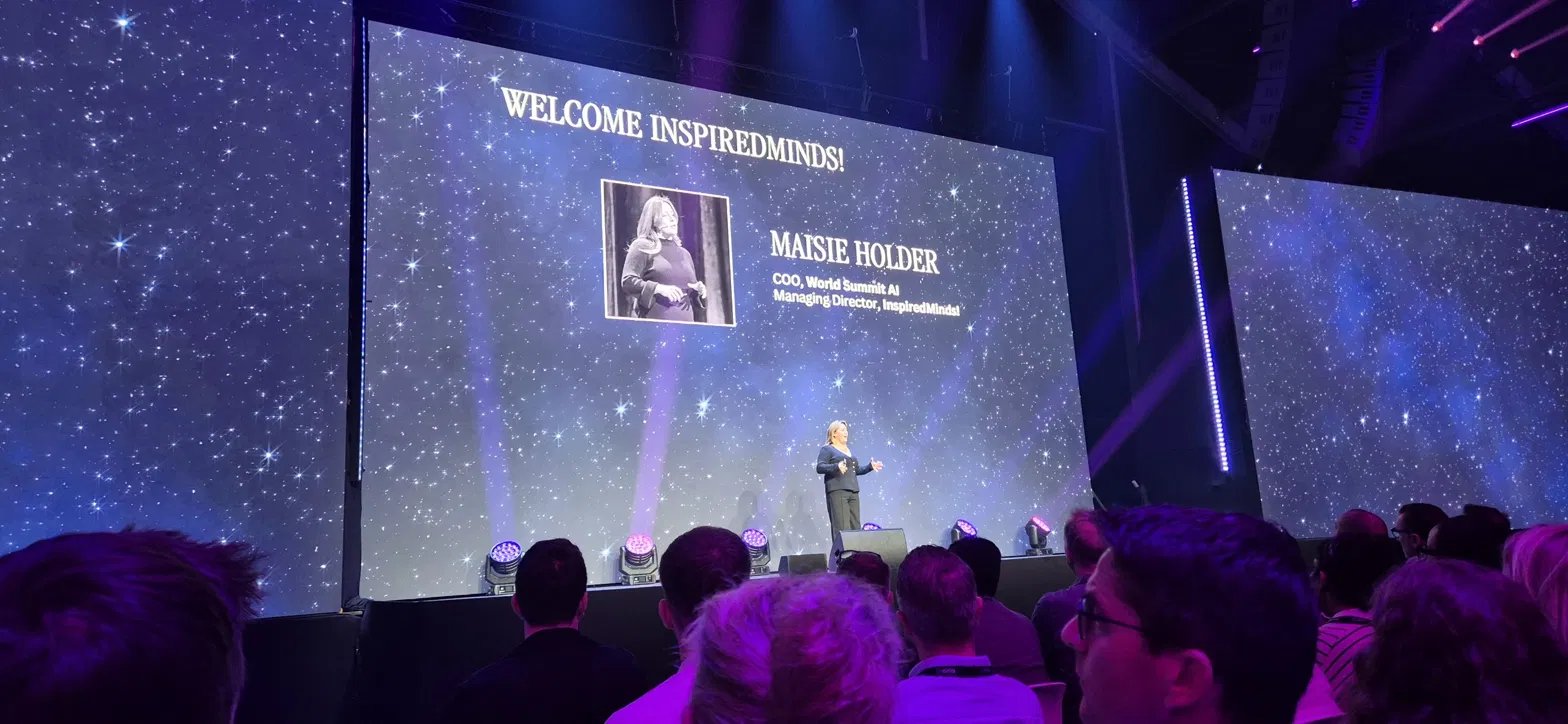
The first was World Summit AI in Amsterdam on 7-8 October, in its 10th edition, under the theme "Guardians of tomorrow".
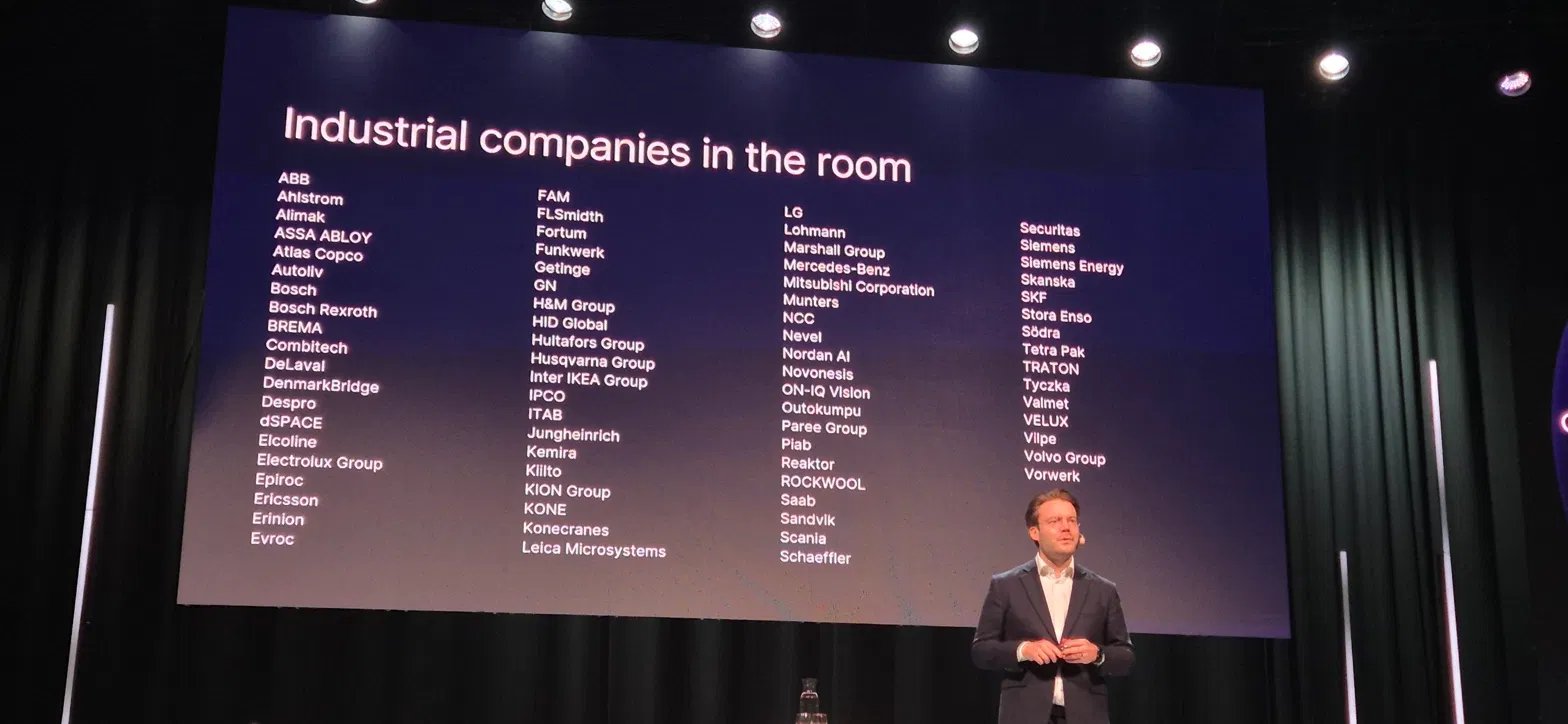
The second was the Industrial Future Summit by Combient Foundry at Artipelag, outside Stockholm, on 9 November. It was in its third edition, organized by Lauri Lehtovuori and the team at Combient Foundry, with 75 industrial companies, from ABB and Atlas Copco to Volvo Group. During the day I also had 1x1 meetings with AI and innovation leaders from companies such as TRATON, ABB, Securitas, Stora Enso, Autoliv, NVIDIA and KION Group.
I am now convinced more than ever that there is no playbook. But I can at least share five themes that came up at both summits. And I have a proposal for co-writing the playbook together towards the end.
1. People and leadership first, technology second
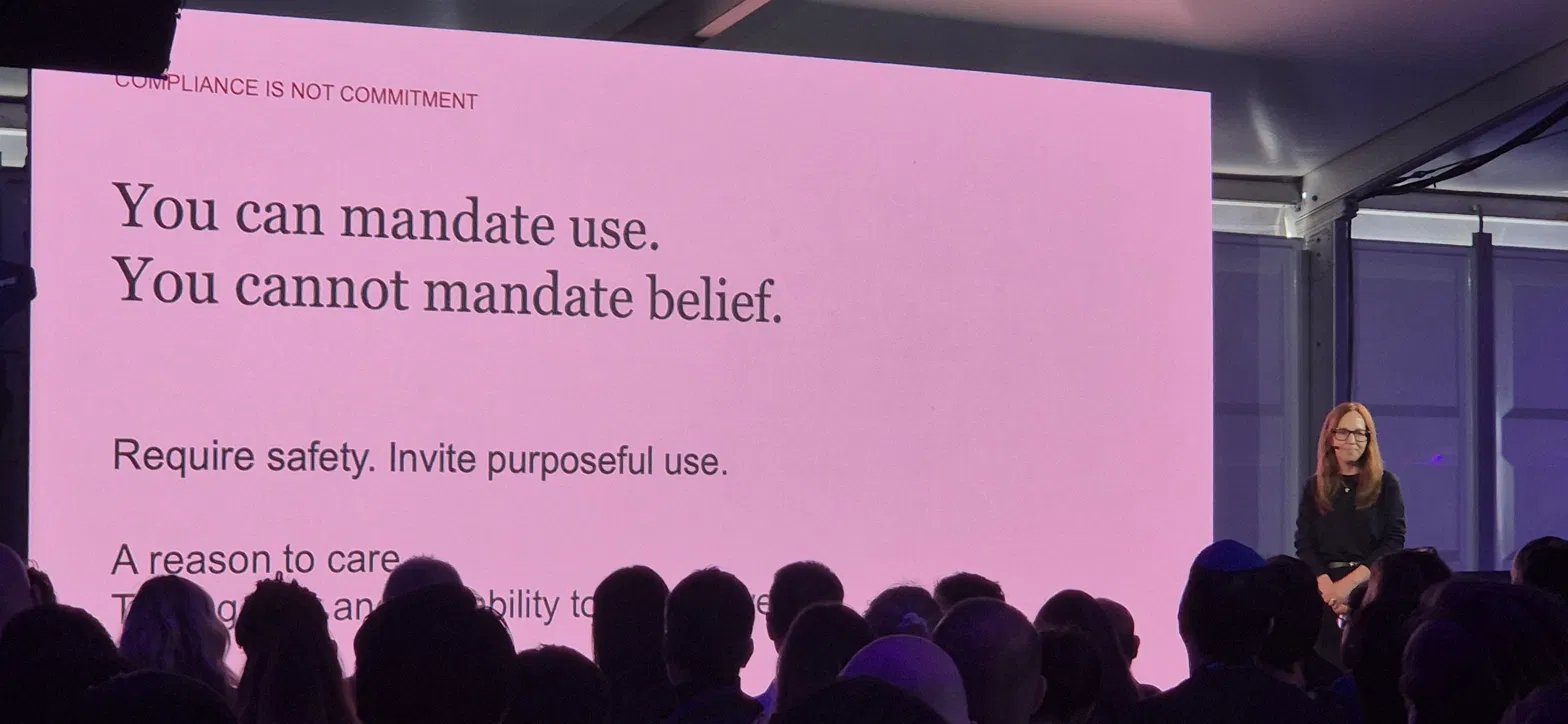
Lyndsay Weir, Chief Analytics, AI and Insight at Barilla Group, put it this way - "No technology roadmap. A human one." and "You can mandate use. You cannot mandate belief." In Stockholm, Ola Källenius, CEO of Mercedes-Benz Group, called reinventing the company a task for leadership. Marie Sandin, Managing Director of Tetra Pak Sweden, said people need to move from operating to orchestrating, and Tracey Countryman, Supply Chain and Engineering Reinvention Partner Lead at Accenture, said that the technology works, while change management, transparency and trust are the key.
I wrote about leading a team through this kind of change in Adaptive leadership.
2. From pilot to scale, measuring business value
Colgate-Palmolive's Safeguard AI went from a hackathon at one plant to 52 plants, and their lessons included measuring value creation. Autoliv scales from pilots across 60+ plants after the value is proven. KION Group calls 2026 the year of operations, and Stora Enso has 34 solutions deployed with partners. At both summits the conversation had moved from what AI can do to what it takes to run it at scale.
For a deeper dive and a look at the Colgate-Palmolive's five lessons see the post From AI pilot to scale.
3. Smaller teams, and more people who can build
In Amsterdam, Matt Bauman, SVP Sales at Base44, described an operating model where "IT owns the platform, teams own the backlog", with subject matter experts building the first version. I covered it in Build, ask, then finish. In Stockholm, Amazon's small two-pizza teams now build several solutions to test, and KONE's spin-out VAELLA was built in 3 months by a small team. Amy Chen, Chief Innovation Officer at KONE, described how lines between roles are blurring, with leaner teams and customer-facing people building as domain experts. I am seeing a similar trend and ambition with the companies I work with, as we redesign the organization for the age of AI.
4. Safety and responsibility baked in
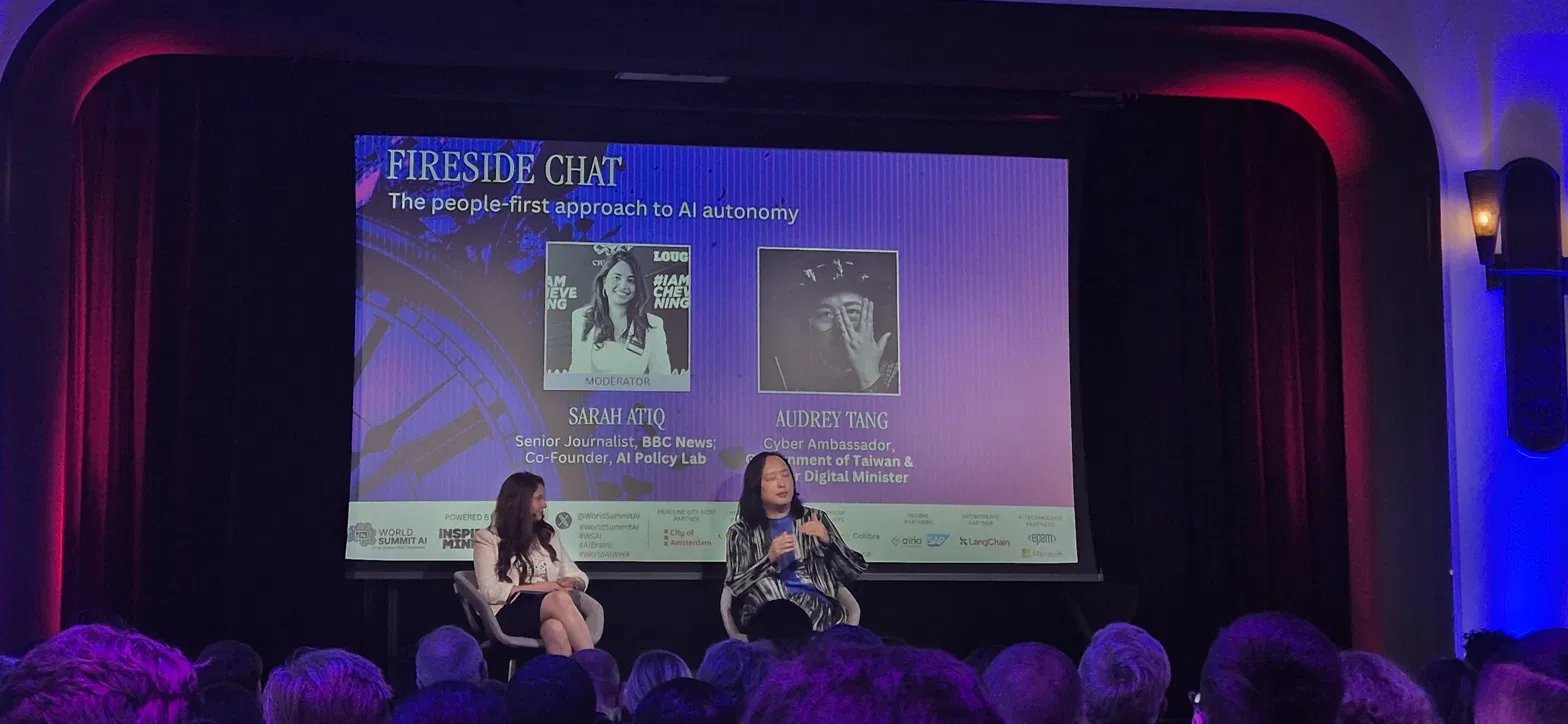
Audrey Tang, Taiwan's Cyber Ambassador and its first Digital Minister, argued for incentives that make responsibility the companies' own interest. I wrote about her ideas in Ownership beyond your own team. The privacy panel in Amsterdam suggested that we design for consent at every stage of an interaction, not just once.
In Stockholm, Autoliv shared how it runs AI through its existing governance under "Using AI Wisely". Riccardo Mariani, VP Industry Safety at NVIDIA, described simulating environments where people and machines work together as a way to design for safety. The KONE and AWS panel talked about separating what is safety-critical from what can be tested in digital twins and world models, with formal validation for safeguards.
5. Speed is an imperative
IHG Hotels & Resorts had a few days, not years, to agree what customers' personal AI agents such as Meta's Muse and OpenAI's Dots may do in its systems. I wrote about what they had to work out in Instinct and the new personal agents. Amazon has gone from 6-7 months to some launches in 2 weeks, and KONE from 18 months to 6-8 months. Yixin Fang, Head of Manufacturing Sweden at AWS, closed the AWS and KONE session with "Speed is a construct and a management decision", and Hannele Palje-Rossi, CIO of Stora Enso, said "There is no pause button. We need to perform while we transform."
The detailed KONE innovation story, which I was involved in at its start while at AWS, is in Speed is a management decision.
Let's write the playbook together
If there is no playbook, we must all write it together by sharing learnings. In Amsterdam, and again in my 1x1 meetings in Stockholm, I noticed how leaders are looking to share insights and learnings with each other. That is also why I wrote up these notes. Let us all bring our minds together, continue experimenting with human and AI collaboration, and build on each other's successes and experiments.
If one of these themes touches something you are working on, I am happy to talk it through. It is the kind of work I take on in AI strategy advisory engagements, and in sessions as an AI keynote speaker and workshop facilitator.